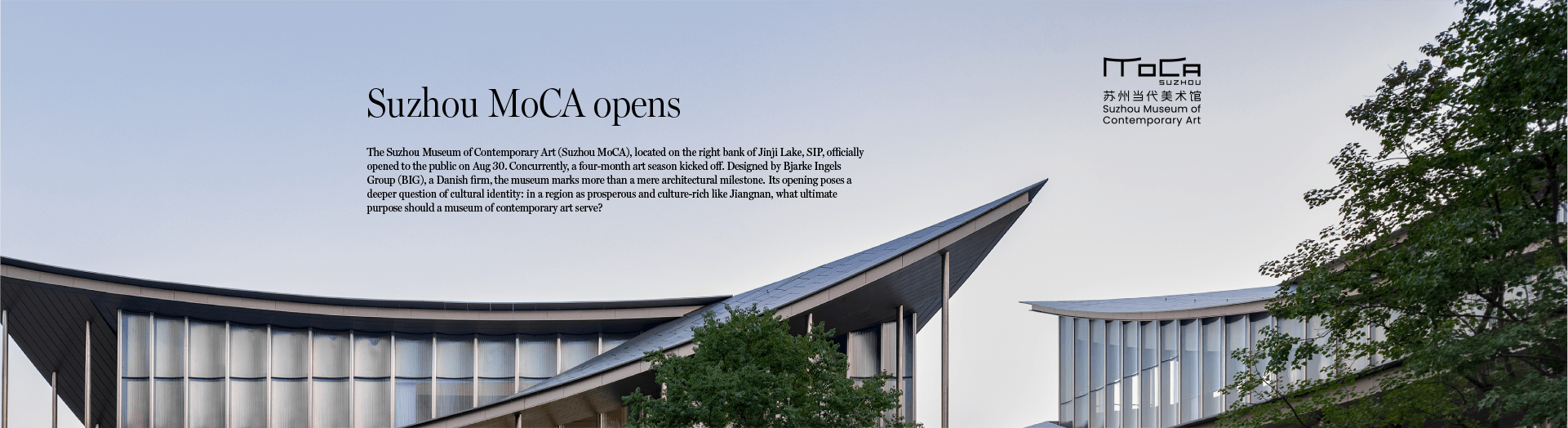
With a 2,500-year history, Suzhou has long been home to generations of masters in literature and art. In modern times, the city has led the way in fine arts education, film, animation, literature, and crafts, while its deep-rooted traditions in classical art collection and appreciation remain particularly profound. This unique historical trajectory gives Suzhou a special typicality in its transition from tradition to modernity, and offers an exemplary case for exploring questions such as “how can tradition coexist with the contemporary” and “how can different civilizations engage in mutual exchange and learning.”
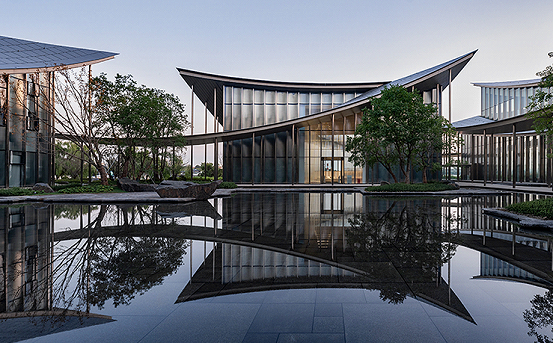
The Suzhou MoCA is a proactive response to these cultural propositions. Different from traditional museums, it comprises nine detached pavilions linked in a garden-like layout where each step brings a new view. Without boundary walls, it is well integrated with the city. Also, at the museum, the boundaries of art dissolve, and the architecture itself becomes a contemporary reinterpretation of the wisdom inherent in the visual design of Suzhou’s classical gardens. As visitors immerse themselves in the space, moving between interiors and waterside, the classical aesthetic order quietly coexists with contemporary public values through ever-changing views.
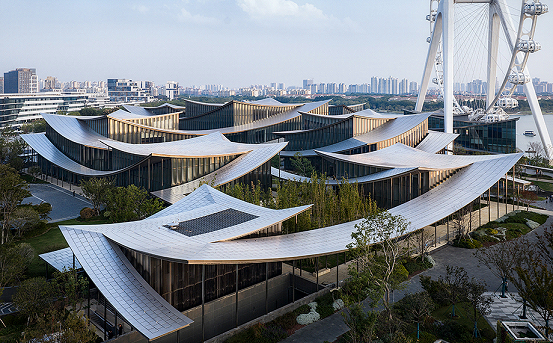
This new “borderless” museum represents a fundamental transformation in form. Its transparent and open structure necessitates that it should “reach out” and engage with a broader range of audiences and media. In fact, the concept of “being borderless” extends beyond the physical realm; it also permeates the museum’s exhibition design and operation. All these endeavors ultimately point to a single inquiry: how should contemporary culture grow? The Suzhou MoCA’s explorations may well offer a path distinct from those taken before.