




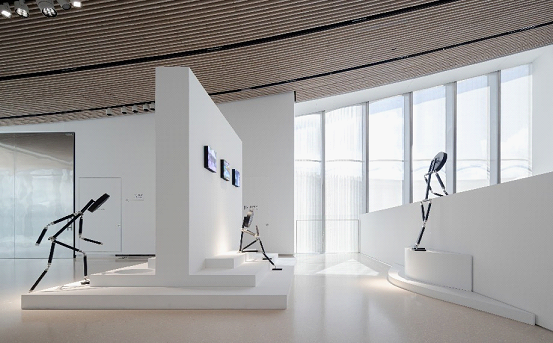
The exhibition themed “Codes & Canopies: Art Beyond the Age of Algorithms”, one of the opening exhibitions of the Suzhou Museum of Contemporary Art on the right bank of Jinji Lake in SIP, opened to the public on Aug 30, and will last till Nov 15.
With support from institutions including the Center for Art and Media Karlsruhe (ZKM) and the Central Academy of Fine Arts of China, the exhibition adopts an interdisciplinary perspective to explore the symbiotic path between technology and art.
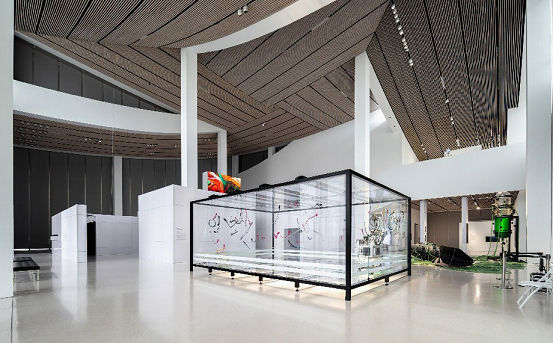
The exhibition features works by 16 artists (and groups) from different countries including China, Germany, South Korea, Austria and Turkey, spanning AI art, bio-art, virtual art, and space art. Moving beyond mere technological spectacle, it uses code as language and multiple things as medium, inviting visitors to reshape their sensory perceptions in the era of algorithms and to explore the symbiotic relationships between humanity and nature, and technology and life.
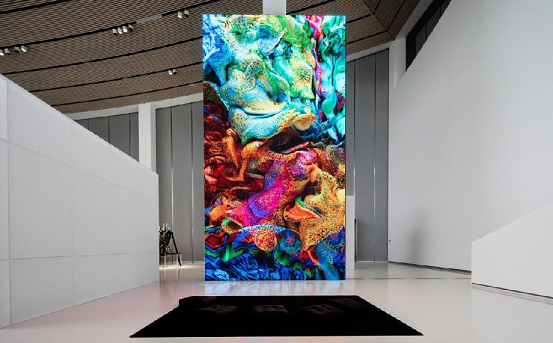
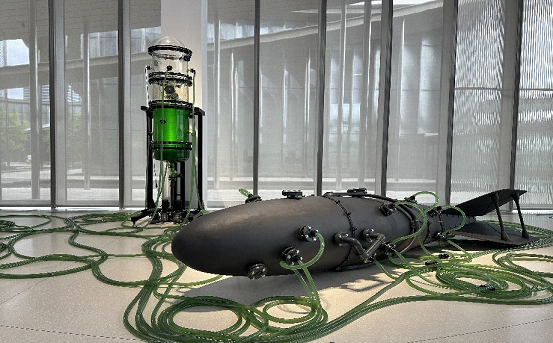
An immersive tech-art experience unfolds in Hall 6. A 10-meter giant LED canopy translates real-time wind speed, humidity and atmospheric pressure data from the Amazon rainforest into a flowing digital lightscape, bringing the distant breath of nature straight to the shores of Jinji Lake. Fluids churn in a transparent chamber under precise electronic control, slowly unfurling a self-sustaining miniature universe. Trillions of algae circulate and metabolize through a labyrinth of tubes, demonstrating the process of evolution to the visitors.
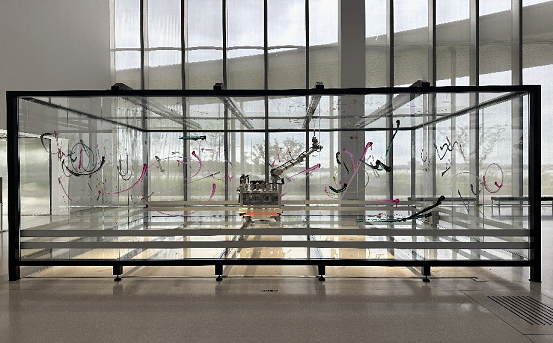
SIP’s strength in scientific and technological innovation provided strong support for art creation. One of the exhibits, based on an AI model trained with human sleep brainwave data, features continuous algorithm-generated dream imagery drawn by a robotic arm from an SIP-based tech company.
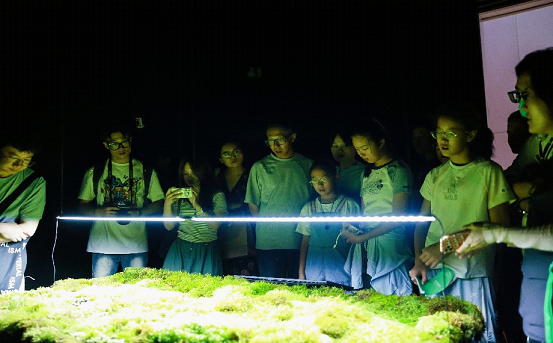
Even the local ecological resources have been translated into a unique artistic language. A bio-installation uses Suzhou’s moss species as its core medium to create a globally connected environmental sensing system. Every 15 seconds, the installation switches to environmental data from a different city, mirroring global ecological shifts through the mosses’ breathing rhythm and acoustic output in real time.
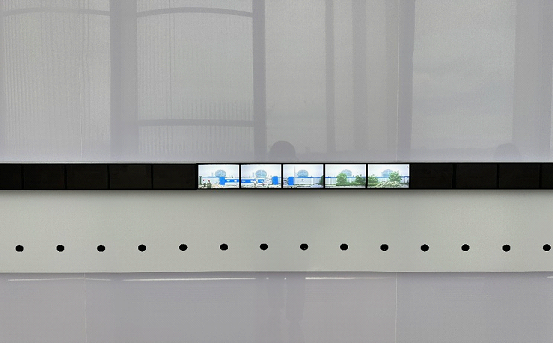
Another work subtly incorporates the Eastern aesthetic concepts applied in the visual design of Suzhou’s classical gardens. The work does not remain constantly on display; only when visitors slowly approach and trigger the sensor does it show up.
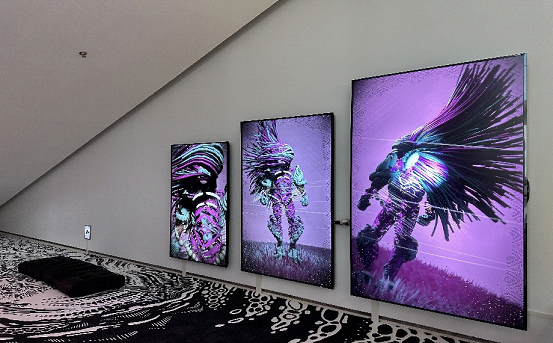
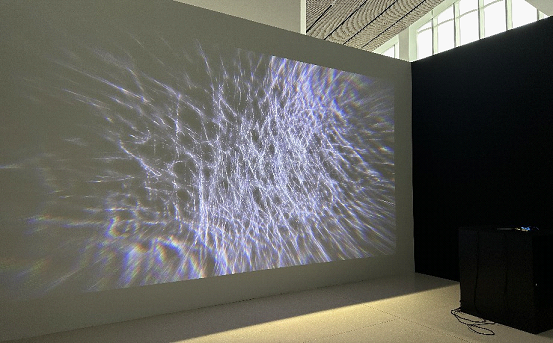
Breaking away from traditional static viewing model, the exhibition combines open, fluid spaces with motion capture, real-time sensing, and intelligent interactions to turn visitors from viewers into co-creators, giving rise to a unique, instantaneous art experience.
September 2, 2026